Understanding Fireplace Types at Home
A fireplace can shape the comfort and character of a room. Homeowners often begin by comparing broad fireplace categories rather than specific models. Wood-burning, gas, electric, and pellet designs each bring different practical considerations. The right choice depends on room layout, ventilation options, and daily routines. A calm comparison helps readers ask better questions before planning installation.
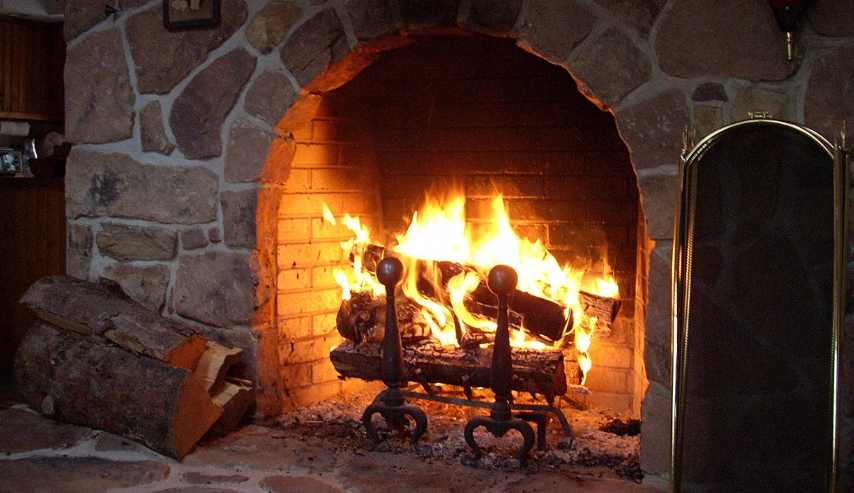
Wood-burning fireplaces offer a traditional focal point with visible flames and familiar sounds. They require storage for fuel, regular ash removal, and attention to chimney conditions. The firebox design and door fit influence how smoothly the fireplace operates. Homeowners should consider local rules and professional inspection needs early. Careful planning reduces daily friction and supports safer use over time.
Gas fireplaces often appeal to households that want simpler daily operation. They may use direct venting or other configurations depending on the room. Installation details and clearance requirements deserve close attention. A qualified local specialist can assess venting and connection conditions. Readers should compare convenience with maintenance needs and design goals.
Electric fireplaces can fit rooms where traditional venting is difficult. They often focus on visual ambiance rather than whole-room heating. Placement depends on outlet access and safe clearance from furnishings. The surround and flame presentation affect how natural the result feels. Homeowners should review manufacturer guidance and local electrical requirements.
Pellet fireplaces combine automated feed systems with a visible fire. They need fuel storage, routine cleaning, and attention to moving parts. Noise levels and refilling habits can influence everyday satisfaction. Venting and service access should be planned before installation. A practical review of routines helps households decide whether this type fits.
Room size and furniture arrangement change how a fireplace is experienced. A large fireplace can dominate a compact room and reduce usable space. Clearance from seating, curtains, and walkways matters for safety and comfort. The hearth shape and surround depth should match traffic patterns. Thoughtful placement keeps the fireplace useful without crowding daily life.
No single fireplace type suits every home or lifestyle. Readers should gather clear information about venting, clearance, and maintenance. Local professionals can verify conditions that articles cannot assess. A measured approach supports better decisions and fewer surprises. Understanding the categories is the first step toward a comfortable result.